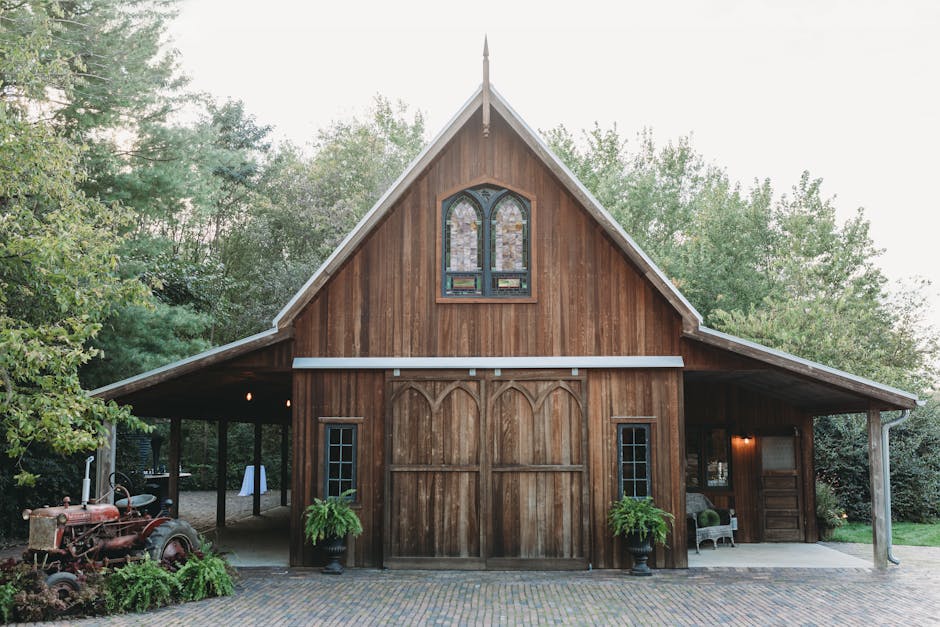
Barn ownership comes with various legal responsibilities and potential restrictions, particularly if your barn has historic significance. Understanding these regulations prevents costly mistakes and ensures you operate within the law.
Listed building status. Many rural barns are listed as buildings of historic or architectural interest. Listed status provides protection but also imposes restrictions. You cannot make alterations, extensions or conversions without Listed Building Consent from your local authority, separate from planning permission. Even internal changes can require consent if they affect the building's character.
Agricultural exemptions. Some changes to agricultural buildings benefit from permitted development rights, allowing alterations without planning permission. However, these exemptions are narrow and often don't apply to listed barns. Check with your local planning authority about what work qualifies for exemptions.
Change of use implications. Converting a barn from agricultural to residential, commercial or event space constitutes a change of use requiring planning permission. This is a significant undertaking involving detailed applications, environmental impact assessments and potentially public consultation. Agricultural buildings sometimes have special protection preventing certain changes of use.
Conservation areas. Barns in conservation areas face additional restrictions. Demolition, extensions and even some repairs require consent. These areas exist to preserve the character of historic villages and countryside, and planners scrutinise applications carefully.
Building regulations. Conversions and modifications must meet current building regulations covering structural safety, fire safety, insulation, ventilation and accessibility. Historic buildings sometimes qualify for relaxations where compliance proves technically impractical, but this requires demonstrating you've explored all reasonable options.
Environmental regulations. Barn conversion projects may require environmental assessments if they affect protected species or habitats. Barns often house bats, birds and other protected wildlife. Environmental surveys may be needed before work begins.
Agricultural tenancies. If your barn sits on agricultural land, tenancy laws may apply. Agricultural tenants have specific rights, and removing land from agricultural use can have tax implications. Seek legal advice if tenancies are involved.
Insurance and liability. Using your barn for events creates liability exposure. Ensure your insurance covers public liability and the specific activities you're hosting. Event insurance may be required.
Health and safety obligations. If your barn is open to the public, you have health and safety responsibilities under the Health and Safety at Work Act. This includes maintaining safe conditions, adequate emergency procedures and appropriate signage.
Heritage grants and support. Historic barns often qualify for heritage grants and tax relief that offset conversion costs. Research available funding before undertaking major work.
Navigating barn regulations is complex, but understanding them protects your investment and prevents enforcement action. Consult local planning authorities early and engage professional advisors experienced in barn projects.