Barns are notoriously difficult to heat and cool efficiently, but modern solutions can dramatically reduce energy consumption and costs whilst maintaining the building's character. Whether your barn is residential, commercial or used for events, energy efficiency improvements make financial and environmental sense.
Insulation challenges and solutions. Traditional cavity wall insulation doesn't work in barns, but breathable insulation materials preserve the building's ability to regulate moisture naturally. Sheep's wool, wood fibre and mineral wool are excellent options. Insulating the roof is often the highest priority—heat rises, so roof insulation provides significant returns. Underfloor insulation is also worthwhile if you have access beneath the floor.
Heating system upgrades. Oil boilers common in rural barns are inefficient and expensive. Modern alternatives include air-source heat pumps, ground-source heat pumps and biomass boilers. Heat pumps work well in well-insulated barns and benefit from renewable energy tariffs. Biomass boilers suit barns with access to sustainable fuel sources.
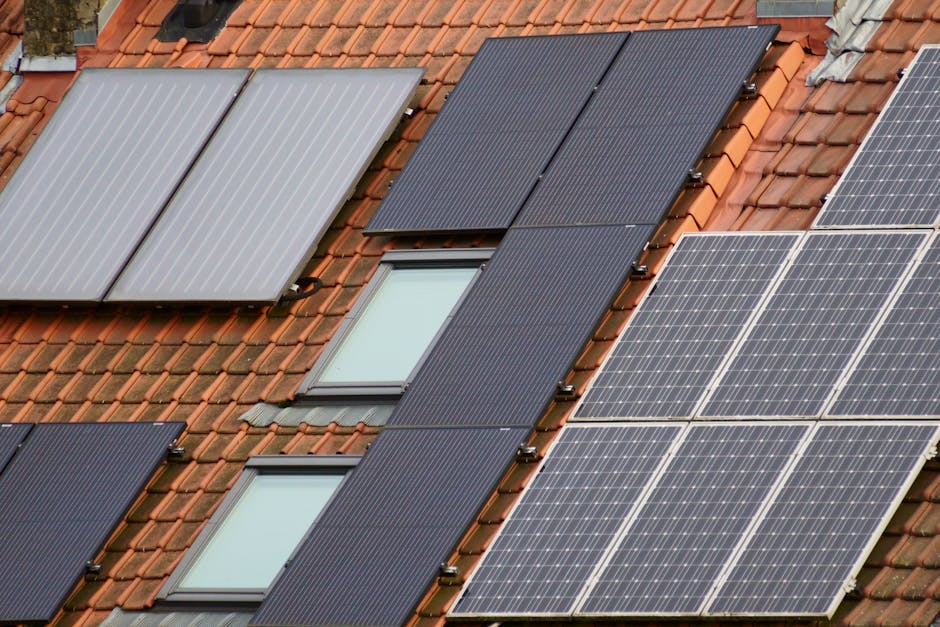
Hot water efficiency. Insulate hot water pipes to minimise heat loss. Install thermostatic radiator valves allowing zone heating—you can heat only occupied areas. Consider solar thermal panels for supplementary hot water heating, particularly effective in barns with south-facing roof space.
Window and door improvements. Original barn doors and windows are often single-glazed and draughty. Secondary glazing preserves character whilst improving insulation. Draft-proofing around doors and windows is inexpensive but effective. Consider opening windows strategically for ventilation rather than leaving them open continuously.
Renewable energy opportunities. Barns often have excellent roof space for solar panels. Roof pitch, orientation and lack of shade make many barns ideal for photovoltaic systems. Wind turbines suit some locations, particularly exposed sites. Battery storage allows you to use generated electricity when needed rather than exporting surplus.
Ventilation and air quality. Modern barns need controlled ventilation to meet building regulations and prevent moisture accumulation. Mechanical ventilation with heat recovery (MVHR) systems capture heat from extract air, reducing heating demands. Ensure ventilation is balanced—adequate but not excessive.
Lighting efficiency. LED lighting uses a fraction of the electricity incandescent bulbs require. For event venues and large spaces, LED uplighting and spotlights are economical. Motion sensors in storage areas ensure lights only operate when needed.
Water efficiency. If your barn hosts events or has accommodation, water-efficient fixtures reduce consumption. Install rainwater harvesting systems for irrigation or toilet flushing—barns often have large roof areas making this economical.
Monitoring and management. Smart meters and energy monitoring systems reveal where energy is consumed. This information guides investment in efficiency improvements. Many utilities offer free energy audits identifying quick wins and priority improvements.
Financial incentives. The Energy Company Obligation and various heritage grants support barn efficiency improvements. Some improvements qualify for enhanced capital allowances or business tax relief. Research available incentives before starting work.
Energy efficiency improvements reduce running costs, increase comfort and align with environmental responsibilities. Start with insulation and heating system upgrades, then consider renewable energy as budgets allow.