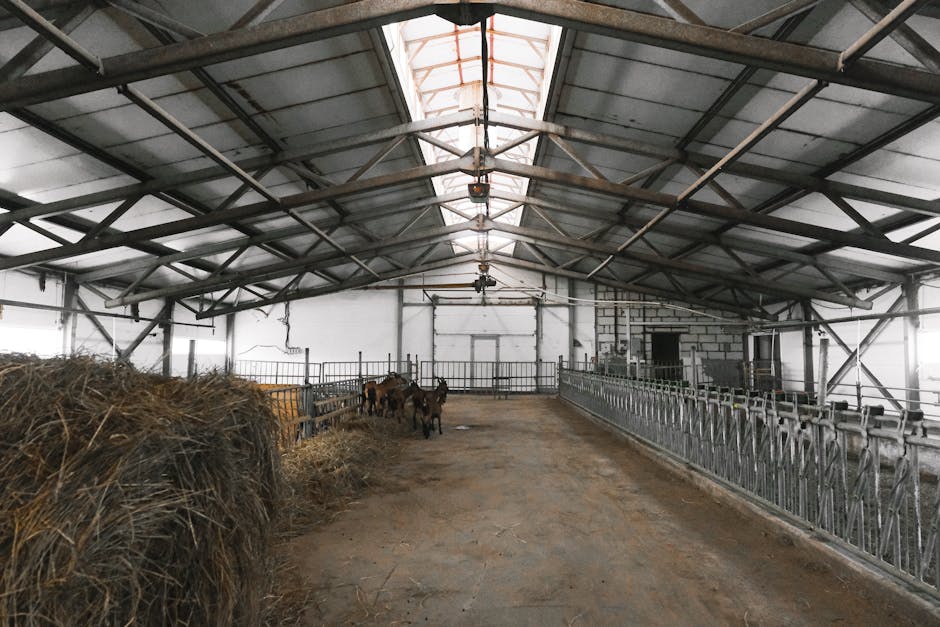
Barn conversions have become increasingly popular across the UK, transforming historic agricultural buildings into beautiful homes and workspaces. However, the conversion process is complex and requires understanding both practical and regulatory requirements.
Planning permission essentials. Most barn conversions require planning permission, though some may qualify for permitted development rights if they meet specific criteria. Your local planning authority will assess whether the conversion respects the building's character and fits the surrounding landscape. Expect this process to take 8-12 weeks, and budget accordingly.
Building regulations compliance. Converted barns must meet modern building regulations for safety, insulation, ventilation and accessibility. This often means installing proper foundations, damp-proof courses, and enhanced insulation—significant undertakings in historic structures. Building control will inspect the work at various stages.
Structural assessment. Before committing to a conversion, commission a thorough structural survey. Barns often have weaker walls than houses, inadequate roof structures, and deteriorating masonry. Understanding these issues upfront prevents costly surprises during construction.
Preserving character. Many barns have historic or agricultural significance. Planners expect conversions to preserve original features including large doors, exposed timber frames and stone walls. Modern windows and extensions should complement, not dominate, the original structure. Using traditional materials and techniques protects the building's integrity.
Managing utilities. Barns typically lack existing services. Installing plumbing, electrical systems, heating and drainage requires careful planning. Listed buildings may have restrictions on how services can be run. Consider underfloor heating or sympathetic radiator placement to avoid visual clutter.
Insulation challenges. Historic barns need insulation to meet building regulations and provide comfort, but traditional methods like cavity wall insulation aren't suitable. Breathable insulation materials that allow the structure to function naturally are essential. Poor insulation choices can trap moisture and damage the building.
Ventilation requirements. Modern conversions need mechanical ventilation to meet regulations. This must be designed carefully to avoid appearing obtrusive on the barn's exterior.
Budget realistically. Barn conversions typically cost 30-50% more per square metre than new builds. Budget contingencies of 15-20% for unexpected structural issues. Costs vary significantly based on the barn's condition, location and complexity.
Timeline expectations. From initial survey to completion, expect 18-24 months for a straightforward conversion. Listed buildings or complex structures take longer.
Successful barn conversions balance respecting the building's heritage with creating comfortable, practical modern spaces. Professional guidance from architects experienced in barn conversions is invaluable.